 Image 1 of 4
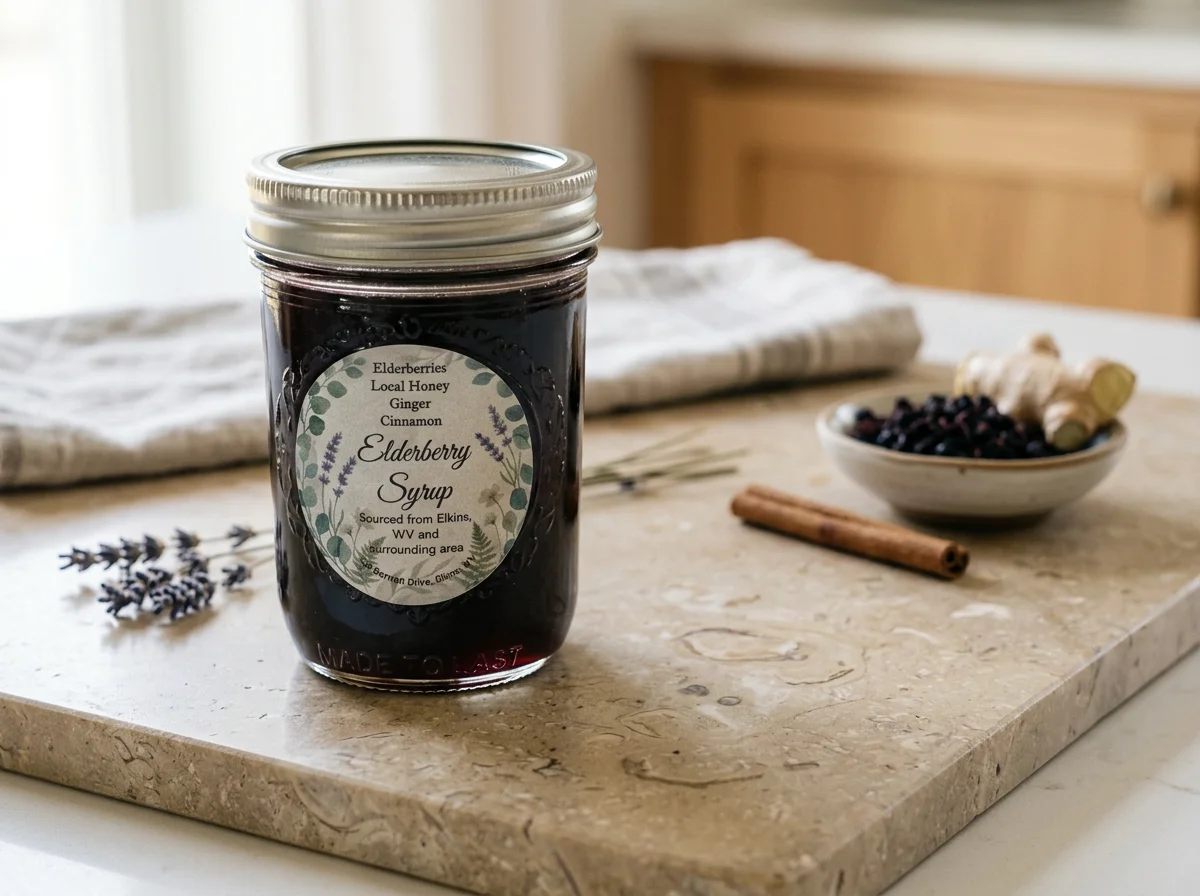 Image 2 of 4
 Image 3 of 4
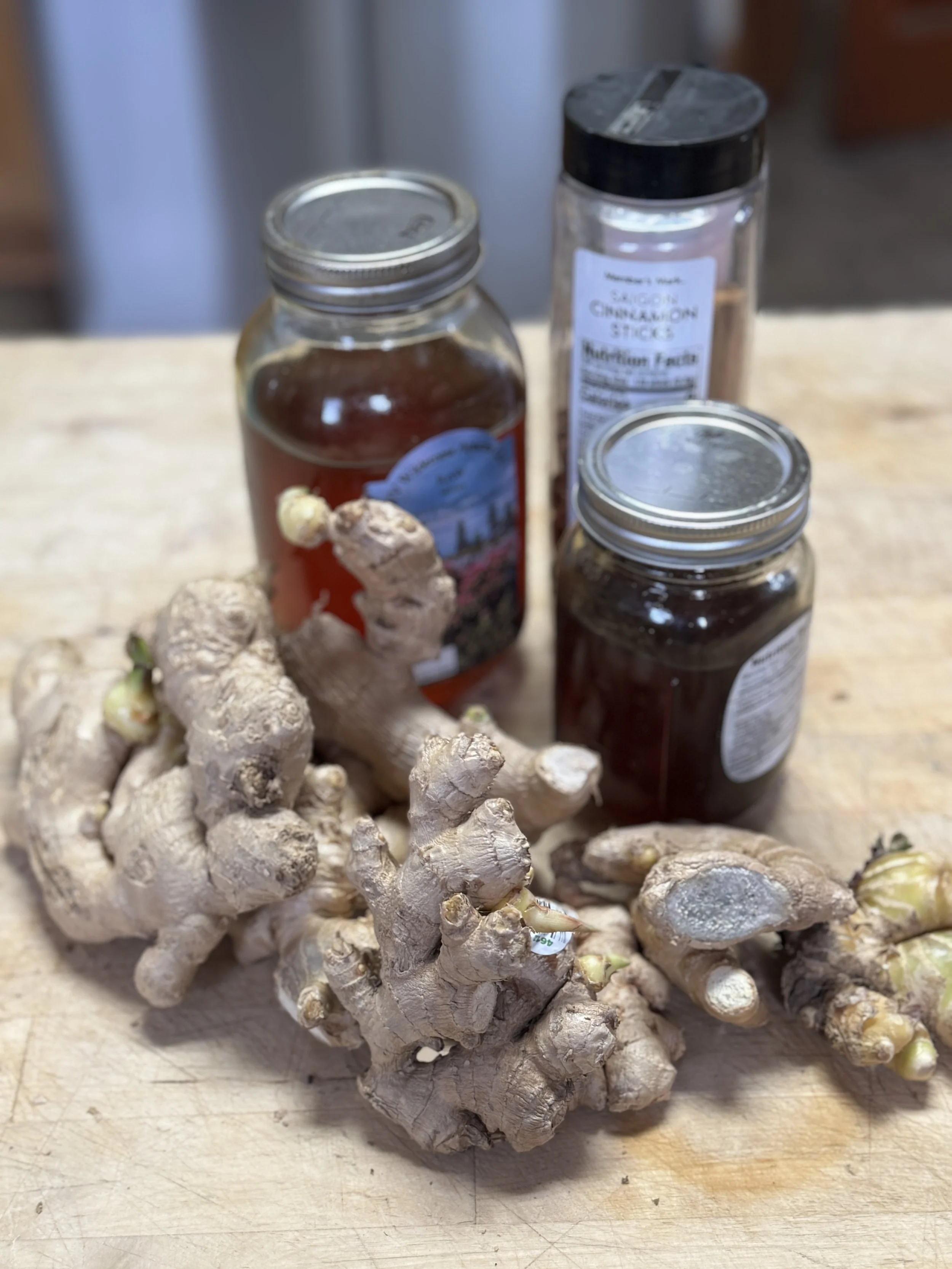 Image 4 of 4
SAVE WITH THE GHOST OF HALLOWEEN PAST SALE! 15% OFF OF ANY ITEMS IN THE “GIFT” CATEGORY WITH CODE HALLOWEEN!
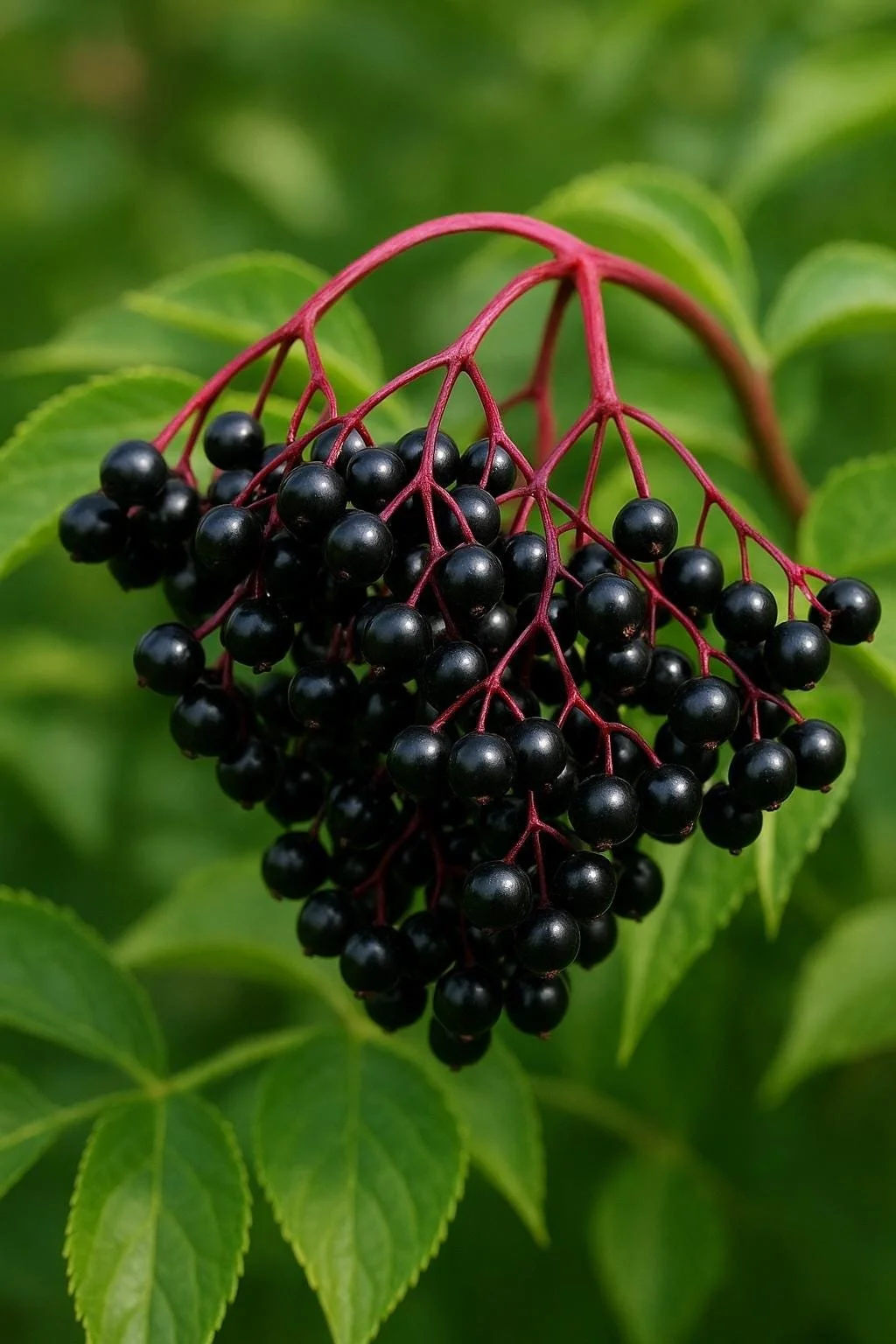
Elderberry contains anthocyanin — which acts as a powerful, anti-inflammatory antioxidant. Anthocyanin reduces the damage that oxidative stress can cause when free radicals are metabolized in the body.
Elderberries are also rich in vitamin C, dietary fiber as well as flavonoids. Cytokine-stimulating properties in elderberry are commonly used to support normal immune function during seasonal changes.
Honey soothes coughs and has it’s own anti-inflammatory and antimicrobial properties that can help fend off minor irritants.
Ginger Ginger's anti-inflammatory properties help reduce throat irritation, swelling, and pharyngitis.
Active components in ginger can help relax airway passages and soothe an irritating or dry cough and it contains antioxidants and micronutrients (like magnesium, zinc, and vitamins) that stimulate immune function and aid recovery. Its anti-inflammatory action helps ease general body aches and physical fatigue that often accompany a cold.
Cinnamon contains compounds like cinnamaldehyde that help ease a sore throat and calm inflamed airways.
It helps support the immune system and defend against infections. Traditionally used in teas or warm drinks (such as with ginger), cinnamon helps warm a chilled body, ease sinus congestion, and promote comfort.
https://www.webmd.com/diet/health-benefits-elderberry-syrup
https://www.healthline.com/nutrition/elderberry#health-benefits
https://www.nettiesbees.com/post/using-raw-honey-to-fight-cold-flu-symptoms-evidence-tips
https://www.medicalnewstoday.com/articles/ginger-for-colds
https://www.nkchealth.org/blog/5-health-benefits-of-ginger
https://yongkangclinic.com/beat-common-cold-ginger-cinnamon/