 Image 1 of 3
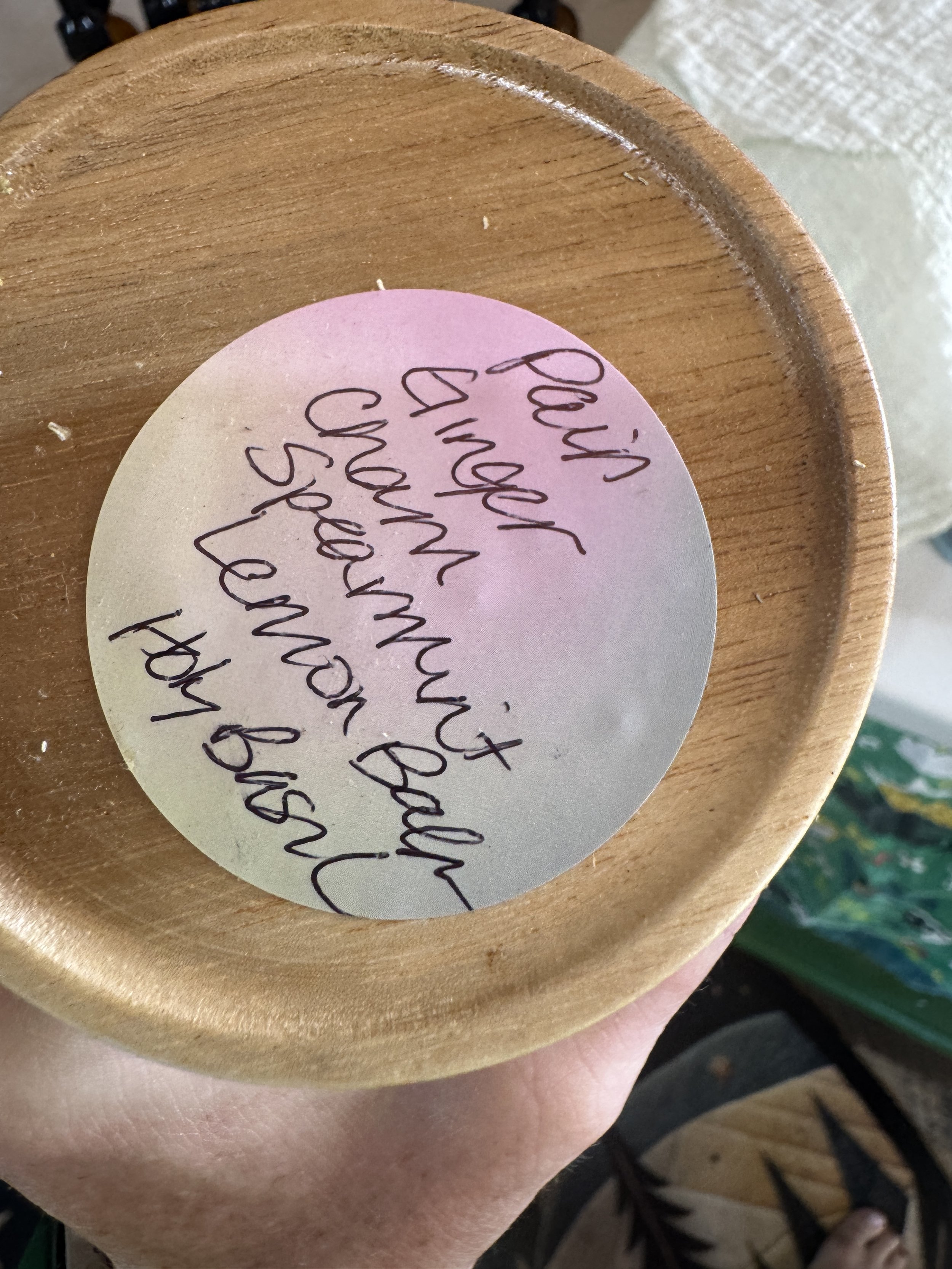 Image 2 of 3
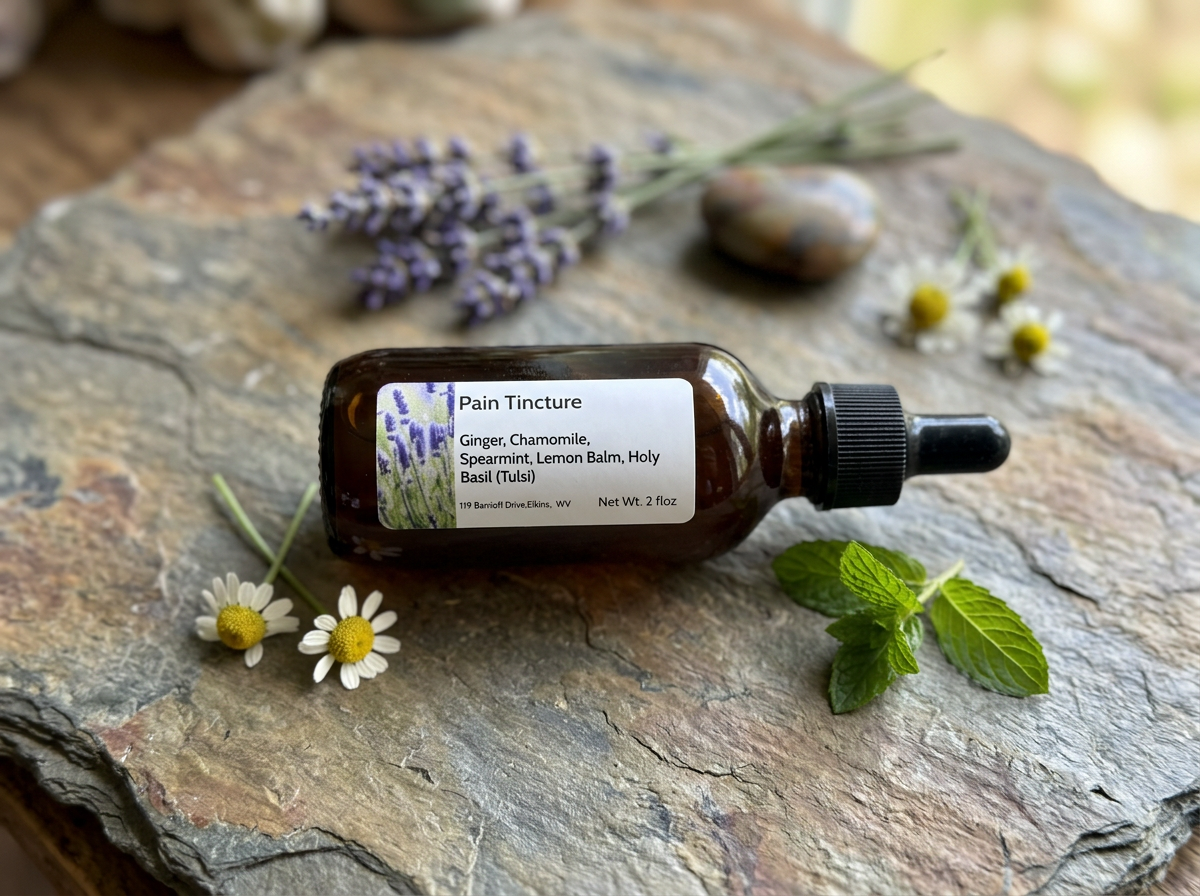 Image 3 of 3
Organically sourced ginger, with home-grown chamomile, spearmint, Lemon Balm, and holy basil (tulsi), extracted in alcohol. Use: 1 dropper once or twice a day.
GInger:
Ginger (Zingiber officinale) reduces pain primarily by blocking inflammatory pathways like COX, LOX, and NF-kB, acting similarly to mild anti-inflammatory drugs. Its key active compounds—gingerols and shogaols—help manage several types of chronic and acute pain
https://pmc.ncbi.nlm.nih.gov/articles/PMC7754412/
Chamomile:
Musculoskeletal & Rheumatic Pain: Systematic reviews indicate that chamomile acts as a potential analgesic compared to a placebo, offering relief for muscle spasms, back pain, and sciatica.
https://pmc.ncbi.nlm.nih.gov/articles/PMC12695481/
Spearmint:
Osteoarthritis and Joint Pain:
Clinical trials show spearmint, which is rich in rosmarinic acid, can reduce knee pain, lower joint stiffness, and improve physical function
Lemon Balm
Inflammation & Joint Pain: Active components like rosmarinic acid, caryophyllene, and citronellal help block inflammatory enzymes (like cyclooxygenase) and lower oxidative stress linked to joint and tissue discomfort.
https://www.performancelab.com/blogs/joint-support/is-lemon-balm-anti-inflammatory
Holy Basil
Active Compounds: It contains eugenol (found in leaf essential oils) and linolenic acid, which help reduce pain signals and body swelling. [1, 2]
Pain Types Addressed: In traditional Ayurvedic medicine, it is used internally (as tea, leaf powder, or extract) or applied externally (as an oil or poultice) for joint pain, headaches, and musculoskeletal aches.
https://health.osu.edu/wellness/exercise-and-nutrition/holy-basil-good-for-health
Organically sourced ginger, with home-grown chamomile, spearmint, Lemon Balm, and holy basil (tulsi), extracted in alcohol. Use: 1 dropper once or twice a day.
GInger:
Ginger (Zingiber officinale) reduces pain primarily by blocking inflammatory pathways like COX, LOX, and NF-kB, acting similarly to mild anti-inflammatory drugs. Its key active compounds—gingerols and shogaols—help manage several types of chronic and acute pain
https://pmc.ncbi.nlm.nih.gov/articles/PMC7754412/
Chamomile:
Musculoskeletal & Rheumatic Pain: Systematic reviews indicate that chamomile acts as a potential analgesic compared to a placebo, offering relief for muscle spasms, back pain, and sciatica.
https://pmc.ncbi.nlm.nih.gov/articles/PMC12695481/
Spearmint:
Osteoarthritis and Joint Pain:
Clinical trials show spearmint, which is rich in rosmarinic acid, can reduce knee pain, lower joint stiffness, and improve physical function
Lemon Balm
Inflammation & Joint Pain: Active components like rosmarinic acid, caryophyllene, and citronellal help block inflammatory enzymes (like cyclooxygenase) and lower oxidative stress linked to joint and tissue discomfort.
https://www.performancelab.com/blogs/joint-support/is-lemon-balm-anti-inflammatory
Holy Basil
Active Compounds: It contains eugenol (found in leaf essential oils) and linolenic acid, which help reduce pain signals and body swelling. [1, 2]
Pain Types Addressed: In traditional Ayurvedic medicine, it is used internally (as tea, leaf powder, or extract) or applied externally (as an oil or poultice) for joint pain, headaches, and musculoskeletal aches.
https://health.osu.edu/wellness/exercise-and-nutrition/holy-basil-good-for-health